

If you’ve noticed that your tree isn’t as healthy as it used to be, you may wonder how to ensure it gets the care it needs. Often, disease, stress, or physical damage are behind tree decline. If the tree is sick, a few careful steps can help restore it to health. Here’s what you need to know about treating a sick tree.
How Do Trees Get Sick?
Trees can become ill from infections caused by fungi, bacteria, or viruses; malnutrition; environmental stress; insect infestations; and physical damage. Human activity, such as construction or soil compaction, can also play a role.
If these issues are left unchecked, they can lead to more serious tree health problems. Identifying the underlying cause is the first step toward recovery.
Symptoms of a Sick Tree
When a tree is unwell, it often shows clear signs that something is wrong. Watch for changes in leaves, branches, bark, or roots. Common warning signs include:
- Wilting or discolored leaves
- Leaf spots or early leaf drop
- Cracks, oozing, or fungal growth on the trunk
- Dead or thinning branches
- Stunted growth or uneven canopy shape
Young and deciduous trees are especially vulnerable to these symptoms. Left unattended, tree health can decline rapidly and disease may spread to nearby plants.
Common Tree Diseases
Understanding the most common tree diseases is essential for maintaining long-term health. In Western Pennsylvania, trees often face threats from diseases such as Anthracnose, Armillaria Root Rot, and Leaf Spot Diseases. These can cause leaf discoloration, premature drop, cankers, and root decay, compromising the tree’s ability to thrive.
Early detection is key. Regular inspections can help you spot changes before they spread. If you notice unusual leaf drop, spots, or other warning signs, consulting a certified arborist ensures the right diagnosis and treatment plan.
Pest Control and Tree Health
Pests can quickly worsen existing issues. Insects like aphids, bark beetles, and borers feed on leaves, bark, or roots and can introduce pathogens. The emerald ash borer, for instance, disrupts nutrient flow and can devastate entire species populations.
Early detection of insect activity is crucial, since visible damage often means the problem has advanced. Regular monitoring and timely pest control protect trees from severe health issues. Use insecticides only as needed and with care to avoid harming beneficial insects. A certified arborist can recommend safe, effective pest management strategies.
Pruning and Trimming
Proper pruning and trimming are vital for preventing disease and supporting recovery. Removing infected branches, dead wood, and overcrowded growth allows the tree to focus energy on healing. Always disinfect tools between cuts to prevent spreading pathogens.
Pruning also improves air circulation and reduces moisture, helping prevent fungal infections. However, improper pruning can create wounds that leave trees vulnerable to pests and disease. For best results, pruning should be handled by a certified arborist familiar with your tree species.
Soil and Watering
Healthy soil and proper watering habits are essential for recovery. Compacted soil or poor drainage can suffocate roots and lead to root rot, while overwatering or drought can cause stress and fungal problems.
Regular soil testing helps identify nutrient deficiencies and pH imbalances. Water deeply but infrequently to encourage strong root systems. Mulching around the base helps retain moisture, regulate temperature, and reduce competition from weeds. Paying attention to soil conditions and watering routines builds resilience against disease and environmental stress.
Treating a Sick Tree
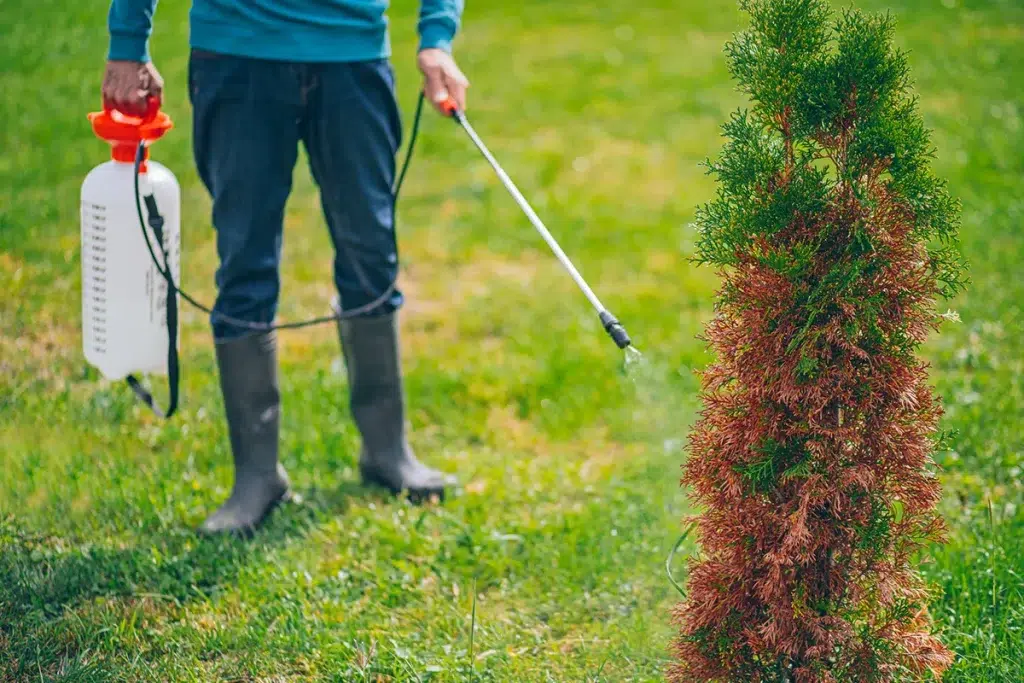
Once you know your tree is sick, take corrective steps based on the cause. Treatments may include pruning, soil improvement, fertilizing, or applying fungicides or insecticides. Remove dead or damaged limbs and provide adequate sunlight and water.
Avoid over-mulching, overwatering, or applying fertilizer directly near the root zone of an unhealthy tree. Trim exposed roots by hand and avoid pruning during the growing season when disease spread is more likely.
Tree care professionals can identify and manage diseases such as fire blight, oak wilt, cedar apple rust, verticillium wilt, and Armillaria Root Rot. Accurate diagnosis is essential since symptoms often overlap. Understanding the root system and soil quality also plays a major role in successful treatment.
Powdery mildew, a common fungal disease, appears as a white powder on leaves and stems. Improving airflow and using fungicides can control it. Other common diseases like anthracnose and apple scab also require early intervention and good cultural practices.
Working with Horhut Tree Experts ensures your tree receives professional evaluation and tailored care. Our certified arborists understand local conditions and use science-based treatments to restore your tree’s health.
Tree Recovery
Helping a sick tree recover requires addressing the underlying cause. Whether it’s disease, pests, or root stress, targeted treatments such as pruning, soil amendments, and pest control can restore vitality. Ongoing maintenance—watering, mulching, and monitoring—keeps trees healthy long-term. Partnering with a certified arborist ensures the right care at the right time.
Prevention and Future-Proofing
Preventing disease is the most effective strategy for maintaining healthy trees. Regular inspections, proper watering, and good site selection help prevent problems before they start. Choose disease-resistant tree species, keep soil aerated, and prune correctly to reduce risk. Clean tools and thoughtful pruning maintain airflow and discourage fungal growth. Proactive care protects your landscape’s beauty and value.
Work with a Professional Tree Service
Trees can become sick for many reasons, but with expert care, they can often recover. To give your trees the best chance at full health, work with a trusted tree service provider in Pittsburgh.
For professional tree care, contact Horhut Tree Experts today. We provide pruning, fertilization, insect control, and disease management to keep your trees strong and healthy for years to come.
A healthy tree is a lasting investment. Take steps now to protect and maintain your landscape—and your trees will reward you with beauty, shade, and strength for years to come. Contact Horhut Tree Experts today to get started.