

If you’ve discovered browning leaves, thinning canopies, or peeling bark on your trees, you may be wondering: can tree diseases be cured? The answer depends on the type of disease, how early it’s caught, and what kind of care your tree receives.
Early intervention and proper treatment are crucial to prevent further damage, as untreated diseases can quickly worsen and threaten the overall health and structure of the tree. Maintaining tree health through timely care is essential for preserving your landscape’s beauty.
As ISA Certified Arborists serving Greater Pittsburgh, Horhut Tree Experts specializes in accurate tree disease diagnosis and evidence-based treatment. In this post, we’ll walk you through what tree disease treatment involves, when trees can be saved, and how proactive care makes all the difference.
Introduction to Tree Health
Healthy trees are the backbone of any beautiful and functional landscape. They provide shade, improve air quality, and create habitats for local wildlife. However, even the strongest trees can fall victim to common tree diseases that threaten their vitality. Tree health is not just about appearance; it’s about ensuring your trees can withstand environmental challenges and continue to thrive for years to come.
Many tree diseases are caused by fungal, bacterial, or viral pathogens and can spread quickly through insect activity, contaminated soil, or even routine yard work. Understanding the basics of tree health and the most common diseases is important for homeowners and property managers alike. Regular inspections, proper pruning, and timely intervention are essential to maintain tree health and prevent the spread of disease.
Types of Tree Diseases
Trees can be affected by a wide range of diseases, each with unique causes and symptoms. The most common tree diseases fall into three main categories: fungal, bacterial, and viral.
Fungal diseases are among the most widespread threats to tree health. Conditions like powdery mildew and phytophthora root rot cause visible symptoms such as leaf spots, twig dieback, and root decay. Powdery mildew often appears as a white coating on leaves, while phytophthora root rot leads to wilting and yellowing foliage.
Bacterial diseases can be equally damaging. Fire blight, for example, causes cankers, leaf damage, and premature defoliation, particularly in fruit trees and members of the rose family. Infected branches may appear scorched or blackened, and the disease can move quickly if not managed.
Viral diseases like cedar apple rust also impact trees, causing leaf spots, twig death, and reduced vigor. Though less common, viral infections can still lead to serious problems, especially in vulnerable trees.
Recognizing the type of tree disease is the first step toward effective treatment. Each disease requires a specific approach, so accurate diagnosis is essential for restoring health and preventing further spread.
What Is Tree Disease Treatment?
Tree disease treatment refers to the targeted actions taken to diagnose, manage, suppress, or eliminate pathogens affecting a tree’s health. These pathogens can include fungi, bacteria, viruses, and insect-borne diseases.
Treatment doesn’t always mean a full cure. Often, it focuses on managing symptoms and strengthening the tree so it can resist the disease naturally or coexist with it in balance. Timing, identification, and tailored care are critical. Treatments may include preventive applications, removal of infected limbs, and other targeted interventions to control the spread of fungal and bacterial diseases.
When Tree Diseases Can Be Cured and When They Can’t
Manageable or Curable Diseases
Some diseases, such as Anthracnose, Apple Scab, and Powdery Mildew, can be managed with proper care, fungicide applications, and pruning. Anthracnose is a common disease that can cause twig death if left unchecked. Needlecast and leaf spot diseases can also be controlled, but may lead to stunted growth if not treated promptly. Early intervention and professional diagnosis are key to preventing further damage.
With treatments like targeted pruning, soil amendments, and fungicide applications, these diseases can often be suppressed, allowing the tree to recover or remain healthy over the long term.
Chronic or Non-Curable Diseases
Other diseases, such as Dutch Elm Disease, Oak Wilt, and certain cankers, are more difficult to cure and often result in decline or death. Canker diseases are caused by fungal or bacterial pathogens that invade through wounds. In these cases, management focuses on slowing the spread, removing infected limbs, and improving overall health. Some trees may eventually need to be removed, but with expert care, removal can often be delayed for years.
Environmental Stress and Tree Diseases
Environmental stress plays a major role in making trees susceptible to disease. Factors like drought, poor drainage, and excessive moisture can weaken natural defenses, leaving trees vulnerable to infection. Stressed trees are more likely to develop leaf spots, twig dieback, and root rot, which can quickly lead to decline if not addressed.
Proper care can help reduce stress and maintain health. Regular watering during dry periods, good soil drainage, and proper pruning all contribute to stronger, more resilient trees. Addressing environmental stress early helps trees resist disease and recover more quickly when problems arise.
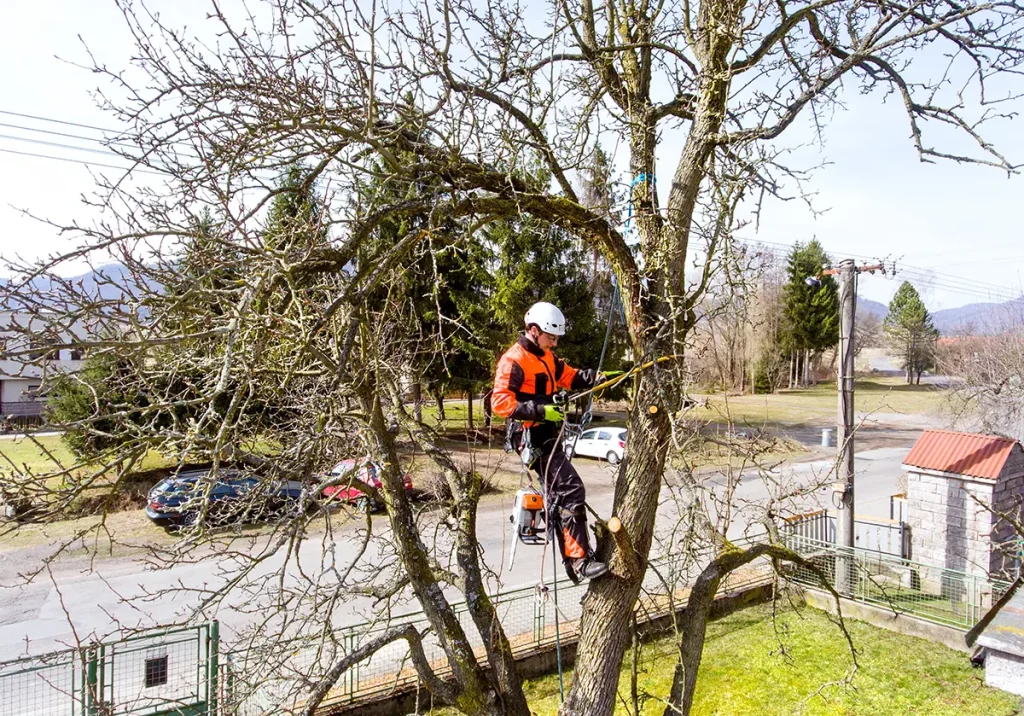
Horhut's Scientific Approach to Tree Disease Treatment
Step 1: Accurate Diagnosis
Our certified arborists inspect trees for visible symptoms and collect samples for lab analysis. Lab tests can confirm the presence of fungal or bacterial infections and determine the specific pathogen involved. Misdiagnosis is one of the main reasons treatments fail, so this step is essential.
Step 2: Customized Treatment Plan
Based on disease type, species, site conditions, and severity, we tailor a plan that may include:
- Corrective Pruning: Removing infected limbs using ANSI A300 standards to reduce pathogen load.
- Fungicide or Bactericide Applications: Timed for optimal uptake and effectiveness.
- Tree Injections: Deliver treatments directly into the vascular system for targeted results.
- Critical Root Zone Enhancement: Loosening compacted soils, improving drainage, and boosting root health.
Soil Testing and Amendments: Correcting nutrient imbalances or pH issues that stress trees.
Step 3: Ongoing Monitoring
The Role of Tree Pruning in Disease Prevention and Treatment
Tree pruning is one of the most effective tools for preventing and managing disease. By removing infected branches and thinning dense growth, pruning helps stop the spread of common tree diseases before significant damage occurs.
Regular pruning is especially important for controlling issues like oak wilt, fire blight, and powdery mildew. It removes sources of infection and improves air flow, which helps keep foliage dry and less hospitable to fungi. Avoiding overhead watering also reduces humidity and fungal growth.
Deciduous and ornamental trees benefit greatly from routine pruning, which prevents diseases such as anthracnose and cedar apple rust. For fruit trees, including apples and pears, pruning reduces the risk of apple scab, mildew, and other problems affecting yield and health.
Early detection is vital. Catching issues early and removing affected branches prevents the spread of disease and avoids major damage. Professional pruning ensures proper timing and technique, maximizing results and supporting overall tree health.
Common Tree Diseases We Treat in Western PAment
The most common tree diseases we treat in the Pittsburgh region include:
- Oak Wilt: Affects oak trees, especially red oaks; causes leaves to brown and wilt.
- Needle Cast Diseases: Caused by fungi, common in blue spruce, Douglas fir, and other evergreens; leads to discoloration and needle loss.
- Apple Scab: Fungal disease that causes leaf spots and defoliation; managed with pruning and sprays.
- Fire Blight: Bacterial infection of flowering trees in the rose family; causes blackened or wilted leaves.
- Anthracnose: Affects sycamore and ash; causes leaf spots and canopy decline.
- Diplodia Tip Blight: Affects pines, causing stunted, browning new growth.
- Tar Spot: Appears on leaves in late spring, forming black tar-like spots.
- Black Knot: Fungal disease causing black, swollen growths on branches.
- Sooty Mold: Caused by insect honeydew; affects appearance but not structure.
- Root Rot: Damages roots and leads to decline.
- Armillaria Root Rot: Persistent fungal disease that causes root decay.
- Botryosphaeria Canker: Affects stressed trees, causing dark lesions and tissue damage.
- Crown Gall: Bacterial disease causing tumor-like growths.
- Drought Stress: Makes trees more susceptible to fungal infection.
If you notice yellowing, wilting, black growths, or premature leaf drop, your tree may be affected by one of these conditions. Early action can mean the difference between recovery and removal.
Replanting and Starting Fresh
Sometimes, despite best efforts, a tree may be too far gone to save. In these cases, removal and replanting can restore your landscape’s health and beauty. Choose species suited to your local climate and resistant to common regional diseases.
Before planting, ensure good drainage, sunlight, and soil conditions. Planting disease-resistant varieties, such as certain crabapple or shade trees, can greatly reduce future risks. After planting, regular watering, mulching, and pruning help new trees establish strong roots and maintain long-term health.
Future-Proofing Your Landscape
Protecting your landscape from disease is about prevention and planning. Future-proofing starts with selecting disease-resistant species and ensuring proper site preparation. Good drainage, spacing, and soil management reduce the spread of fungal pathogens. Regular maintenance and early detection of leaf spots or unusual discoloration prevent small issues from becoming major problems.
Partnering with a certified arborist for regular evaluations is one of the best ways to keep trees strong and healthy for years to come.
Why Choose Horhut for Tree Disease Treatment
Choosing Horhut Tree Experts means partnering with a team that prioritizes:
- ISA Certification and ANSI Compliance
- Decades of Local Experience
- Scientific Diagnosis Tools
- Eco-Friendly Treatment Options
- Full Insurance and Safety Standards
We don’t guess. We assess, diagnose, and deliver treatment that gives your trees the best chance of survival.
We proudly serve all of Allegheny County and surrounding areas, including Fox Chapel, Sewickley, and Franklin Park.
Signs You May Need Tree Disease Treatment
If you notice any of these signs, contact a professional:
- Leaf discoloration or premature drop
- Dieback in upper branches
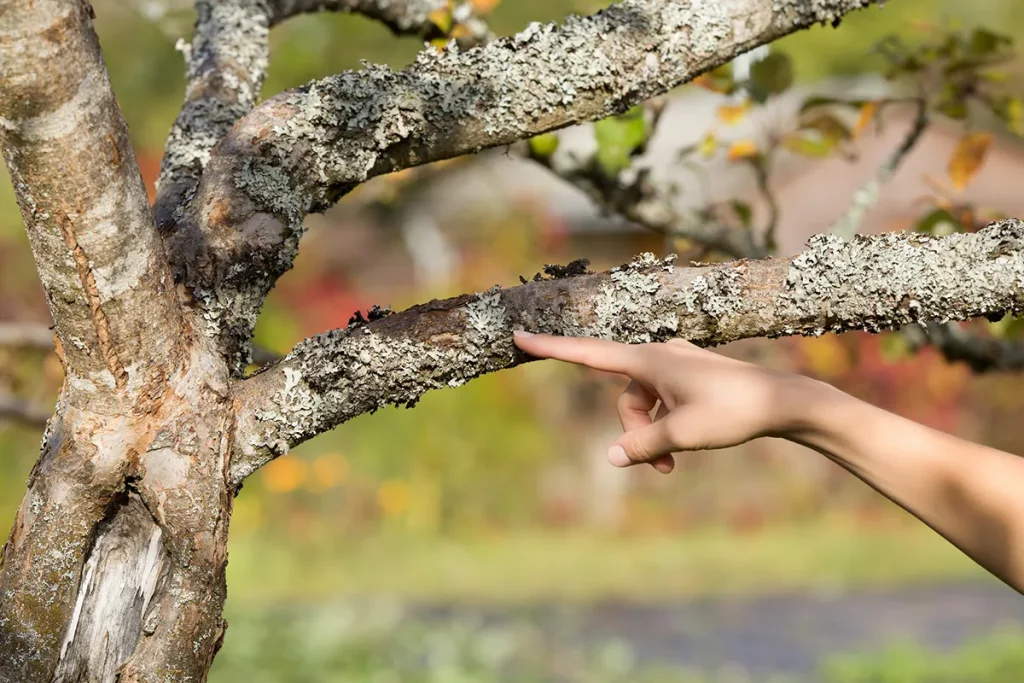
- Bark splitting, oozing, or fungal growth
- Abnormal leaf shapes or sizes
- Thinning canopy
- Stunted growth
Schedule a Tree Health Evaluation
If you’re searching for tree disease treatment in the Pittsburgh area, look no further. Horhut Tree Experts is your local resource for honest, science-based care.
Call today or request an on-site evaluation to get your trees back on the path to health. We’ll help you understand what’s affecting your trees and create a treatment plan that’s both effective and environmentally responsible.
Contact Horhut Tree Experts
Ready to take the next step? Whether you need a consultation or immediate tree care services, our team is here to help. Contact Horhut Tree Experts today for professional, reliable tree disease treatment in Pittsburgh.